





Table of Contents
1. Introduction
Skincare isn’t one-size-fits-all. Everyone’s skin reacts differently to products. What works for your friend may not work for you. That’s why personalized skincare matters.
Your skin type decides how much oil your skin makes, how often it breaks out, and what kind of products help or hurt it. Picking the wrong product can dry out, irritate, or clog your skin.
This guide shows you:
- How to figure out your skin type
- What basic skincare steps work for all skin types
- Which products are best for each type
- What mistakes to avoid
- Tips to build a skincare plan that fits you
- Bonus: how treatments like PDO thread lifts can support long-term skin firmness as part of your anti-aging goals
2. How to Identify Your Skin Type
There are five main skin types:
- Normal
- Dry
- Oily
- Combination
- Sensitive
Each type has its own signs. To find your skin type, try this simple blotting sheet test:
- Wash your face and wait an hour.
- Press a clean blotting sheet on your forehead, nose, cheeks, and chin.
- Hold it up to the light.
- If it picks up oil from all spots, you likely have oily skin.
- If only your forehead and nose are oily, you may have combination skin.
- If there’s little or no oil, you might have dry or normal skin.
- If your skin feels tight, gets red easily, or burns when trying new products, it may be sensitive.
Quick signs of each type:
- Normal: Even tone, small pores, rarely breaks out.
- Dry: Tight, flaky, dull, can feel rough.
- Oily: Shiny, large pores, acne-prone.
- Combination: Oily T-zone (forehead, nose, chin), dry cheeks.
- Sensitive: Redness, burning, reacts to many products.
3. Skincare Routine Basics for All Skin Types
Every skin type needs the same three steps:
- Cleanse
- Treat
- Moisturize
You can adjust each step based on your skin type. Use pH-balanced skincare to avoid upsetting your skin barrier.
Morning vs. Night Skincare
- Morning routine: Focus on protection. Use a gentle cleanser, treatment (if needed), moisturizer, and SPF.
For those looking to enhance their morning routine for glowing skin, using antioxidant serums and lightweight sunscreens can make a noticeable difference. Check out our full morning skincare routine for glowing skin for more ideas. - Night routine: Focus on repair. Cleanse well to remove dirt and makeup, apply treatment, and use a rich moisturizer.
SPF is a must every morning, even if it’s cloudy. Sun damage adds up and can harm every skin type.
4. Skincare Tips by Skin Type

A. Dry Skin
Signs: Tightness, dullness, flaking
Needs: Hydration, protection
Helpful ingredients:
- Hyaluronic acid – holds moisture
- Ceramides – strengthen skin barrier
- Glycerin – draws in water
Avoid:
- Harsh scrubs
- Foaming cleansers with sulfates
- Alcohol-based toners
Sample routine:
- Cleanser: Cream-based, gentle formula
- Treatment: Hydrating serum with hyaluronic acid
- Moisturizer: Rich cream with ceramides
- SPF: Hydrating sunscreen
Look for a moisturizer for dry skin that keeps skin soft all day.
B. Oily Skin

Signs: Shine, large pores, frequent acne
Needs: Balance, oil control
Helpful ingredients:
- Salicylic acid – clears pores
- Niacinamide – controls oil
- Clay – absorbs extra sebum
Avoid:
- Heavy creams
- Products with pore-clogging oils
Sample routine:
- Cleanser: Gel-based, salicylic acid
- Treatment: Niacinamide or spot treatment
- Moisturizer: Oil-free, non-comedogenic
- SPF: Mattifying formula
Use the best cleanser for oily skin to avoid clogged pores. Don’t skip moisturizer — it helps balance oil.
C. Combination Skin
Signs: Oily T-zone, dry or normal cheeks
Needs: Balance in different areas
Helpful products:
- Light gel moisturizers for oily areas
- Creamier lotions for dry areas
- Multi-masking: clay mask on oily zones, hydrating mask on dry parts
Sample routine:
- Cleanser: Gentle foam or gel
- Treatment: Niacinamide for T-zone, hyaluronic acid for dry spots
- Moisturizer: Layer as needed — light for forehead, richer for cheeks
- SPF: Lightweight, balanced
Combination skin concerns need smart layering. Don’t use one product for your whole face if it causes imbalance.
D. Sensitive Skin
Signs: Redness, burning, stinging
Needs: Soothing, gentle care
Helpful ingredients:
- Aloe vera – soothes
- Colloidal oat – calms
- Fragrance-free products – reduce irritation
Avoid:
- Strong actives like retinol (unless guided)
- Fragrance, dyes, harsh scrubs
- Long ingredient lists
Sample routine:
- Cleanser: Fragrance-free, creamy
- Treatment: Simple hydrating serum
- Moisturizer: Thick but gentle, oat-based
- SPF: Mineral-based with zinc oxide
Always do a patch test. Look for natural skincare for sensitive skin with fewer ingredients.
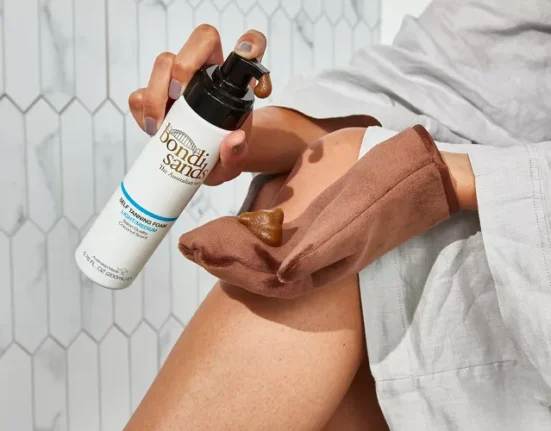
Also, be cautious when using self-tanning products, which can often irritate sensitive skin or result in uneven tones. Here’s how to fix patchy self-tanner without further irritating your skin.
E. Normal Skin
Signs: Balanced, smooth, rarely breaks out
Needs: Light care to maintain balance
Best approach: Stick to basics
Sample routine:
- Cleanser: Mild, pH-balanced
- Treatment: Antioxidant serum (like Vitamin C)
- Moisturizer: Lightweight lotion
- SPF: Broad-spectrum, non-greasy
Normal skin maintenance is all about prevention. Don’t overload it with heavy or strong products.
5. Common Skincare Mistakes by Skin Type
Here are some errors people often make:
- Oily skin: Over-washing makes your skin produce more oil. Use gentle cleansers twice a day.
- Dry skin: Skipping moisturizer or using foamy cleansers can make it worse.
- Sensitive skin: Trying too many new products too fast causes flare-ups.
- Combination skin: Using one product for the whole face can throw off the balance.
- All skin types: Ignoring seasonal changes. Use richer products in winter and lighter ones in summer.
- Bonus tip: If you’re removing body hair regularly, especially via waxing, you might wonder — does waxing reduce hair growth over time? It’s important to know how such practices impact skin sensitivity and overall care.
6. Expert Tips for Building a Personalized Routine
If you’re unsure about your skin type or products, ask a dermatologist. They can help you avoid trial and error.
How to layer skincare correctly:
- Thin to thick: Start with toner or serum, then cream.
- Water-based before oil-based products.
- Let each layer absorb before applying the next.
Change your skincare with age and climate. Older skin may need more hydration. Hot, humid weather calls for lighter products.
If you’re noticing sagging or loss of firmness, non-invasive treatments like the PDO thread lift can support tighter, more youthful skin without major downtime.
7. Product Recommendations
Here are some top-rated products by skin type:
Dry Skin:
- Drugstore: CeraVe Moisturizing Cream
- Premium: First Aid Beauty Ultra Repair Cream
- Key ingredients: ceramides, glycerin
Oily Skin:
- Drugstore: Neutrogena Oil-Free Acne Wash
- Premium: Paula’s Choice BHA Liquid
- Key ingredients: salicylic acid, niacinamide
Combination Skin:
- Drugstore: Simple Kind to Skin Gel Wash
- Premium: Tatcha The Water Cream
- Key ingredients: green tea, rice, niacinamide
Sensitive Skin:
- Drugstore: Vanicream Gentle Cleanser
- Premium: Avene Skin Recovery Cream
- Key ingredients: oat extract, aloe vera
Normal Skin:
- Drugstore: Cetaphil Gentle Cleanser
- Premium: La Roche-Posay Toleriane Lotion
- Key ingredients: glycerin, thermal water
Check for these on product labels:
- Non-comedogenic
- Fragrance-free (for sensitive skin)
- pH-balanced
- Oil-free (for oily skin)
8. Conclusion
Skincare isn’t about using trendy products. It’s about knowing what your skin needs. The first step is skin type identification.
Each skin type has unique needs. Don’t follow someone else’s routine blindly. Focus on hydrating vs mattifying products based on your skin’s oil level. Use dermatologist-recommended products when possible, especially for acne-prone or sensitive skin.
Be patient. Skin takes time to adjust to new products. Always patch test before applying something new to your whole face.
Your skin is unique. Treat it that way.
Why is personalized skincare important?
Personalized skincare helps you choose products that match your unique skin type and concerns, preventing breakouts, dryness, and irritation.
How do I know my skin type?
Use a blotting sheet test or observe signs: oily skin shines, dry skin feels tight, combination skin has an oily T-zone, sensitive skin reacts easily.
What are the main skin types?
The five common skin types are: normal, dry, oily, combination, and sensitive.
What is a basic skincare routine for all skin types?
Every routine should include three steps: Cleanse, Treat, Moisturize — and always apply SPF in the morning.
Should I have a different skincare routine for morning and night?
Yes. Morning routines protect (SPF, antioxidants); night routines repair (hydrating serums, moisturizers).
What ingredients are best for dry skin?
Look for hyaluronic acid, ceramides, and glycerin to boost hydration and repair the skin barrier.
How can I control oily skin?
Use products with salicylic acid, niacinamide, and clay. Avoid heavy creams; choose oil-free moisturizers.
How do I take care of combination skin?
Use lightweight products for oily areas and hydrating ones for dry zones. Multi-masking is helpful.
What’s the best skincare for sensitive skin?
Choose fragrance-free, minimal-ingredient formulas with soothing agents like aloe vera and colloidal oat.
Do I still need moisturizer if I have oily skin?
Yes. A light, oil-free moisturizer helps balance oil production and keeps your skin hydrated.