




Creating your own DIY face mask at home is fun and easy. You can find simple face mask recipes using ingredients in your kitchen. These masks can help with things like dry skin, oily patches, and even exfoliating. When I make a clay face mask, it helps to soak up extra oil.
If you want a tightening face mask, try using egg whites. Homemade face masks not just clean, but also make skin feel smooth by removing dead skin and old skin cells. Adding coconut oil can be great for moisture. With these homemade face masks, you can enjoy the benefits right at home. Plus, they’re safe and natural!
Key Takeaways
- DIY face mask recipes use natural ingredients to benefit your skin safely.
- Match the mask to your skin type for the best results.
- Always do a patch test to avoid allergic reactions.
- Use coconut oil in a mask for extra moisture.
- Exfoliating masks remove dead skin and old skin cells.
Benefits of Using Organic Ingredients
Opting for natural ingredients in your DIY organic face masks ensures a soothing experience. With organic components, my skin feels refreshed and nourished without harsh chemicals. Ingredients like honey and oatmeal provide a natural glow, making my skin soft and hydrated. I find that these masks minimize irritation and leave my skin feeling silky. Whether dealing with dry skin or seeking an exfoliating face mask, using organic elements genuinely enhances the experience. Plus, whipping up a homemade face mask recipe feels like creating a personalized spa day right at home!

Understanding Your Skin Type
Knowing my skin type helps me pick the best DIY organic face masks for me. If my skin feels oily, I grab my clay and green tea mix. For drier days, I whip up a moisturizing face mask with honey and avocado. Noticing dead skin patches? I gently scrub away with a powder DIY face blend. Every face mask recipe I try leaves me feeling refreshed. The benefits of these masks are clear: smoother skin, happier me. Plus, it’s a fun kitchen adventure, mixing ingredients for my skin’s delight!
DIY Face Mask Safety Tips
Safety tips for DIY organic face masks are crucial for a pleasant experience. First, always patch-test new ingredients. This can save me from unwanted surprises. I steer clear of anything I’m allergic to. Potent elements like lemon? I use them cautiously; they can be tricky. My favorite face mask recipe includes nourishing ingredients for my dry skin days. A personal favorite is mixing honey and avocado for a boost. These face masks benefit my skin, keeping it radiant and healthy. DIY face masks are a fun and effective skincare adventure!
Oatmeal and Honey Mask for Dry Skin
Using ingredients like oatmeal and honey is my go-to for soothing dry skin. This blend works wonders by moisturizing and providing antibacterial benefits. I mix 2 teaspoons each of ground oatmeal and honey, plus some yogurt. Applying it feels like a hug for my skin! Five minutes later, I rinse, and my skin feels happy. DIY face masks can be fun and nourishing. This simple recipe makes me feel like I’m giving my skin a treat, and it benefits my skin cells tremendously.

How to Apply and Remove the Mask
Applying and removing a DIY organic face mask is a breeze. I gently spread the mask over my skin, steering clear of my eyes. After the wait, I rinse with lukewarm water and pat dry. I always feel like I’m treating my skin to a spa day. Here’s a simple list to nail it:
- Wash face with warm water.
- Apply mask evenly.
- Avoid eyes and lips.
- Leave for recommended time.
- Rinse with lukewarm water.
- Pat dry with a soft towel.
- Moisturize if needed.
- Admire your refreshed skin!

Green Tea and Clay Mask for Oily Skin
Combining green tea and kaolin clay makes a fantastic mask for balancing oily skin. Green tea has calming properties, while kaolin clay absorbs excess oil. To create this DIY organic face mask, brew green tea and let it cool. Then, mix the tea with kaolin clay until you get a smooth paste. Apply this face mask recipe evenly onto your face, and let it sit for 10 minutes. Rinse off with warm water and feel the freshness. This mask offers tremendous face masks benefit, leaving skin refreshed.
Step-by-Step Preparation Guide
Creating your own DIY organic face masks is easy and rewarding. Let’s dive into how!
- Gather ingredients: Always use fresh, organic components for maximum benefits.
- Mix properly: Combine until smooth. No lumps, please!
- Apply evenly: Use clean fingers or a brush, avoiding eyes and mouth.
- Relax: Let the mask sit for the recommended time. It’s your moment of zen.
- Rinse thoroughly: Use lukewarm water for a refreshing finish.
- Moisturize: Lock in all that goodness with a light layer of coconut oil.
- Enjoy your glow: Feel the rejuvenation!
Turmeric and Yogurt Mask for Brightening
Whipping up a mask with turmeric and yogurt offers a glow like no other. It’s a wonderful addition to my morning skincare routine for glowing skin, especially when I want a natural radiance boost before applying sunscreen or makeup. My go-to DIY face mask, it combines 1 teaspoon of turmeric with 1 tablespoon of yogurt. This face mask recipe gently exfoliates and brightens.
The yogurt hydrates, perfect for dry skin. Adding a dollop of honey can boost antibacterial properties. Applying this concoction for 15 minutes, then rinsing thoroughly, leaves my skin feeling refreshed and radiant. This quick ritual is one of my favorite face masks benefits, making my complexion look vibrant and healthy.
Ingredients and Their Benefits
Exploring the benefits of each ingredient, turmeric works wonders by zapping inflammation. Yogurt? It’s like a magic potion that moisturizes and gently exfoliates. Mix them, and you get a diy face mask that’s a powerhouse for glowing skin. Adding honey boosts antibacterial prowess. For those with dry skin, a touch of coconut oil seals in moisture, leaving your skin soft and supple. This face mask recipe is a simple, effective way to pamper yourself and enjoy skin that feels luxe and looks radiant.
Coffee and Cocoa Mask for Exfoliation
Bringing coffee grounds and cocoa powder together creates a delightful scrub for the skin. I mix these with coconut oil and sugar, making a satisfying DIY face mask. As I gently rub it on, I feel the soft exfoliation working its magic. My skin gets a fresh vibe, and it feels like a mini spa day at home. This face mask recipe leaves my skin feeling soft and rejuvenated. I love how it smells like a mocha latte, offering a sweet escape into skincare bliss.

How to Properly Exfoliate Your Skin
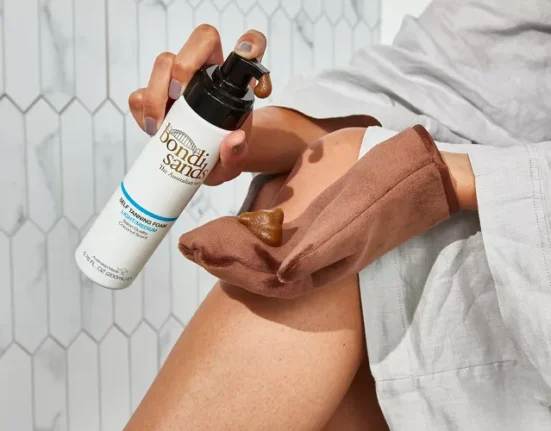
Rubbing the coffee and cocoa mixture over my face, I feel the gentle exfoliation. This kind of scrub is also a great way to fix patchy self-tanner, as it helps even out streaks by removing dead skin and smoothing texture before reapplication.. This is how I exfoliate using a simple DIY face mask. My skin feels soft after this invigorating scrub. Using circular motions helps remove impurities, leaving the skin refreshed. After rinsing, I apply a moisturizer to keep everything smooth. Coconut oil in the mix adds a touch of hydration. It’s like a mini spa session right at home, leaving my skin feeling rejuvenated and me feeling like I just had a luxurious treat.
Aloe Vera and Cucumber Mask for Soothing
Combining aloe vera and cucumber creates a soothing mask for irritated skin. I blend fresh aloe vera gel with cucumber juice, ensuring everything is smooth. Applying this mixture feels like a gentle hug for my face. It sits on my skin for 15 minutes, offering a refreshing calm. Then, I rinse it off, leaving behind a cool and hydrated sensation. This soothing solution is ideal for anyone needing a gentle touch. Dermatologist Deanne Mraz Robinson explains more about the benefits of natural ingredients in skincare.

Perfect for Sensitive Skin
Sensitive skin can be tricky, but I’ve found a gem in DIY organic face masks. While these masks soothe irritation, I also wonder about hair removal and how it affects skin. For instance, many ask, does waxing reduce hair growth over time? Combining waxing with calming DIY masks can help minimize post-wax redness.
Organic ingredients like aloe vera and cucumber offer the gentleness needed for a soothing experience. Mixing aloe with cucumber juice creates a mask that feels like a cool breeze on a hot day. It’s ideal for those times my skin screams for calm. For additional insights, a study on natural ingredients in skincare highlights how beneficial they are. This mask is like a gentle whisper to my sensitive skin, keeping it happy and relaxed.
Egg White and Lemon Mask for Tightening
Egg whites mixed with lemon juice create a natural pore-tightening mask. While this DIY option works well for a short-term tightening effect, it’s also worth exploring longer-lasting treatments like PDO thread lifts, which can enhance skin firmness and reduce sagging more dramatically.

Achieving a Firmer Look
To give my skin a firmer appearance, I rely on DIY organic face masks. Using natural ingredients works wonders! Egg whites, for instance, provide a tension boost, making everything feel tighter and more youthful. Adding a touch of lemon juice, I get added brightness, which is a nice bonus. But don’t worry, I’m always careful with lemon juice. It’s potent stuff! When I whip up my face mask recipe, I feel like a skincare chef in my own kitchen. I’m often amazed by how these simple ingredients can transform my look!
Coconut Oil and Avocado Mask for Moisturization
Using avocado and coconut oil is my go-to for super hydration. I mash up an avocado, mix it with a bit of coconut oil, and apply it to my face for 20 minutes. It feels like a tiny vacation for my skin! This DIY organic face mask is perfect for anyone with dry skin. The creamy avocado and coconut oil combo locks in moisture like nothing else. After rinsing, my skin feels as soft as a cloud. I keep this face mask recipe handy for those days

Keeping Your Skin Hydrated
Moisture retention is key for soft, supple skin. One favorite method involves using DIY organic face masks. When my skin cries out for moisture, I whip up a special concoction. A mix of mashed avocado and a drizzle of honey works wonders for dry skin. Apply for 15 minutes, and rinse off the dryness woes. My face feels fresh as a daisy! This face mask recipe isn’t just skincare—it’s self-care. Give it a shot, and your skin might just say, “Thank you!”
Creating a Mask for Acne-Prone Skin
Crafting a mask for skin that is prone to acne involves thoughtful ingredient choices. Tea tree oil shines as an antibacterial powerhouse. Mixing this with honey creates a gentle, effective DIY solution for breakouts. Honey’s soothing nature complements tea tree’s punch. I sometimes add activated charcoal to help clear up my skin faster. It’s like a tiny cleanup crew for my face! For more creative ideas, Broma Bakery shares fun and inventive recipes on Pinterest. Keeping it simple and natural helps my skin stay happier.
Utilizing Tea Tree Oil
Tea tree oil finds its place in skincare, especially in diy organic face masks. This oil feels like a superhero against acne, tackling those pesky spots with ease. I love combining it with a bit of honey or charcoal for an extra antibacterial punch. While applying, I imagine the tea tree oil working like a tiny cleanup crew on my face, sweeping away the unwanted. If you’re like me and have dry skin, it’s wise to mix it with a hydrating element to maintain balance.

Storage Tips for Homemade Face Masks
When thinking about how to store those lovely DIY organic face masks, keeping them fresh is key. I prefer airtight containers, like little treasure chests for my skincare goodies. Refrigeration helps too, especially with perishable ingredients. They stay fresh and cool, almost like giving my masks a spa day! It’s like having a little skincare fridge party. I aim to use the masks within a week. This way, they’re at their best, giving my skin the love it deserves.
FAQ
What are the benefits of using organic ingredients in face masks?
Organic ingredients are free from harsh chemicals, making them gentle on the skin. They provide essential nutrients and reduce the risk of irritation. Ingredients like honey and oatmeal are not just moisturizing but also fight bacteria.
How do I know which DIY face mask is right for my skin type?
Identifying your skin type is key. Oily skin loves clay, which absorbs excess oil. Dry skin prefers moisturizing ingredients like avocado and honey. Choose masks based on these needs for better results.
Are there any safety tips I should follow when making DIY face masks?
Always do a patch test first to check for allergies. Avoid ingredients you’re allergic to. Be careful with strong elements like lemon juice, as they might irritate.
How should I store homemade face masks to keep them fresh?
Keep them in airtight containers in the fridge, especially those with fresh ingredients. Use them within a week to ensure they stay effective and safe.
Can I use tea tree oil in masks for acne-prone skin?
Absolutely! Tea tree oil is a fantastic antibacterial agent. Mix it with honey or charcoal for a mask that targets acne.